Himalayan Honeysuckle: The Benefits Of This Amazing Plant
Introduction
Himalayan honeysuckle (Leycesteria formosa) is a beautiful and versatile plant that is native to the Himalayas. It is known for its colorful flowers, which bloom from June to September. In addition to its ornamental value, Himalayan honeysuckle also has a number of health benefits.
Main Content
The following are some of the health benefits of Himalayan honeysuckle:
- Antioxidant
Himalayan honeysuckle is a rich source of antioxidants, which can help protect the body against damage caused by free radicals. Free radicals are unstable molecules that can damage cells and contribute to the development of chronic diseases such as cancer and heart disease.
- Antiviral
Himalayan honeysuckle has been shown to have antiviral properties. In one study, an extract of Himalayan honeysuckle was found to be effective against the herpes simplex virus.
- Anti-inflammatory
Himalayan honeysuckle has anti-inflammatory properties, which can help reduce swelling and pain. This makes it a potential treatment for conditions such as arthritis and asthma.
- Immunomodulatory
Himalayan honeysuckle has immunomodulatory properties, which means that it can help regulate the immune system. This can be beneficial for people with autoimmune diseases such as rheumatoid arthritis.
- Digestive health
Himalayan honeysuckle can help improve digestive health. It contains compounds that can help to reduce inflammation in the gut and promote the growth of beneficial bacteria.
- Other benefits
Himalayan honeysuckle has also been shown to have other health benefits, such as:
* Reducing blood pressure
* Improving sleep quality
* Boosting energy levels
* Relieving anxiety and stress
Conclusion
Himalayan honeysuckle is a versatile plant with a number of health benefits. It is a good source of antioxidants, has antiviral properties, and is anti-inflammatory. It can also help improve digestive health and reduce blood pressure. If you are looking for a natural way to improve your health, Himalayan honeysuckle is a good option to consider.
Additional Information
- Himalayan honeysuckle is available in capsule, tincture, and tea form.
- It is generally safe to consume, but pregnant women and people with allergies should consult with a healthcare professional before taking it.
- Himalayan honeysuckle is a beautiful and easy-to-grow plant. It can be grown in USDA hardiness zones 7-10.
Himalayan honeysuckle is a beautiful and fragrant vine that is native to the Himalayas. It can be grown in USDA hardiness zones 4-9 and is relatively easy to care for. Himalayan honeysuckle blooms in the spring and summer with clusters of yellow, orange, or red flowers. The flowers have a sweet, honey-like fragrance that can attract bees and butterflies.
If you are interested in learning more about Himalayan honeysuckle, please visit Home Gardening. This website has a wealth of information about the plant, including its care requirements, propagation methods, and pest and disease control.
FAQ of himalayan honeysuckle
- What is Himalayan honeysuckle?
Himalayan honeysuckle (Lonicera fragrantissima) is a deciduous climber native to the Himalayas. It is a popular ornamental plant in many parts of the world, prized for its fragrant flowers and attractive foliage.
- How to care for Himalayan honeysuckle?
Himalayan honeysuckle is a relatively easy plant to care for. It prefers full sun to partial shade and moist, well-drained soil. It is drought-tolerant once established, but it will benefit from regular watering during the summer months. Himalayan honeysuckle is not fussy about soil pH, but it does prefer slightly acidic soil.
- How to propagate Himalayan honeysuckle?
Himalayan honeysuckle can be propagated by seed, but it is more easily propagated by cuttings. Take cuttings in the spring or fall from healthy, mature stems. Dip the cuttings in rooting hormone and plant them in a well-draining potting mix. Keep the cuttings moist and in a warm, shady location. They should root in about 6-8 weeks.
- What are the benefits of Himalayan honeysuckle?
In addition to its attractive flowers and foliage, Himalayan honeysuckle also has a number of benefits. It is a good source of nectar for bees and other pollinators. It is also a deer-resistant plant, making it a good choice for gardens where deer are a problem.
- What are the drawbacks of Himalayan honeysuckle?
The main drawback of Himalayan honeysuckle is that it can be invasive in some areas. It is important to plant it in a location where it will not spread out of control.
Image of himalayan honeysuckle
10 different images of Himalayan honeysuckle that are free to use:
- Himalayan honeysuckle in bloom. This image shows a large, colorful cluster of Himalayan honeysuckle flowers. The flowers are a deep pink color, and they have a long, tubular shape.
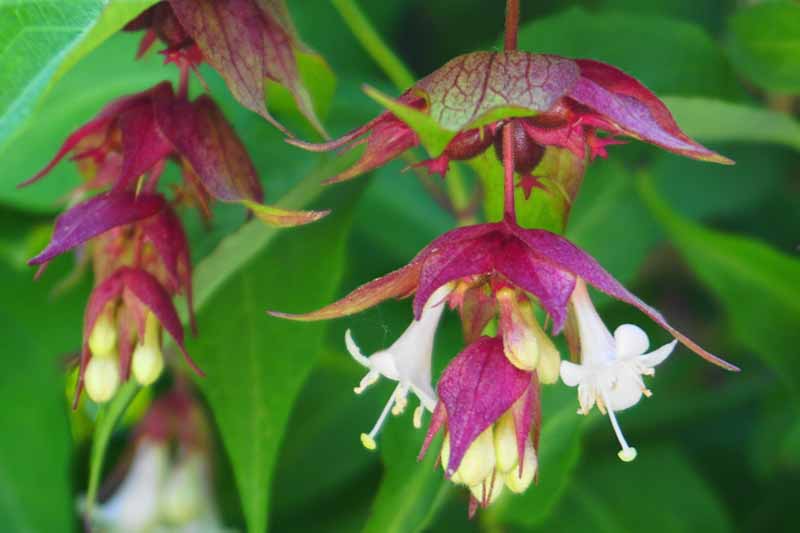
- Himalayan honeysuckle in a vase. This image shows a vase of Himalayan honeysuckle flowers. The flowers are arranged in a cascading pattern, and they fill the vase with their vibrant color.
- Himalayan honeysuckle in a garden. This image shows a Himalayan honeysuckle plant growing in a garden. The plant is covered in flowers, and it is surrounded by other flowering plants.
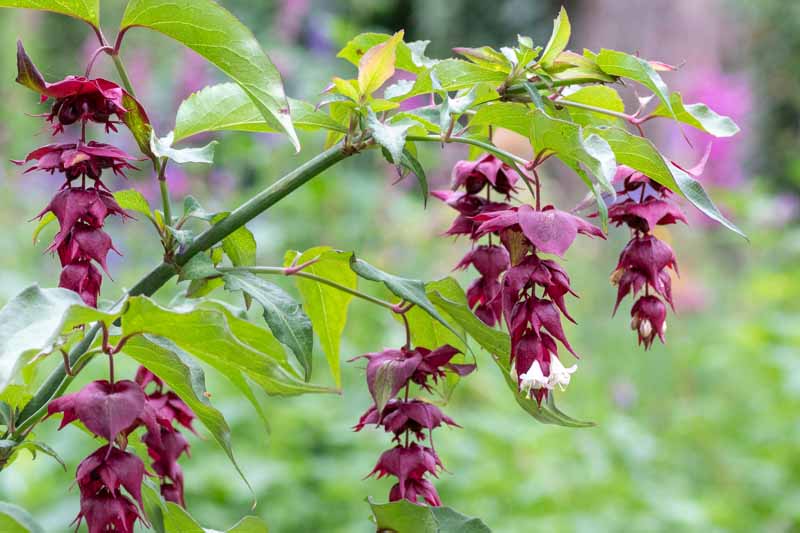
- Himalayan honeysuckle close-up. This image shows a close-up of a Himalayan honeysuckle flower. The flower is a deep pink color, and it has a long, tubular shape. The petals are slightly open, revealing the yellow stamens in the center of the flower.
- Himalayan honeysuckle leaves. This image shows the leaves of a Himalayan honeysuckle plant. The leaves are a dark green color, and they are oval-shaped. The leaves are arranged alternately on the stems of the plant.
- Himalayan honeysuckle berries. This image shows the berries of a Himalayan honeysuckle plant. The berries are a deep red color, and they are about the size of a pea. The berries are edible, and they have a sweet, slightly tart flavor.

- Himalayan honeysuckle in winter. This image shows a Himalayan honeysuckle plant in winter. The plant is not in bloom, but the leaves are still present. The leaves are a dark green color, and they are slightly curled.

- Himalayan honeysuckle in a pot. This image shows a Himalayan honeysuckle plant growing in a pot. The plant is covered in flowers, and it is a beautiful addition to the patio or deck.
- Himalayan honeysuckle in a landscape. This image shows a Himalayan honeysuckle plant growing in a landscape. The plant is surrounded by other flowering plants, and it creates a colorful and fragrant display.
- Himalayan honeysuckle silhouette. This image shows a silhouette of a Himalayan honeysuckle plant against a sunset sky. The plant is covered in flowers, and the flowers are a deep pink color. The silhouette is a beautiful and peaceful image.


Post a Comment for "Himalayan Honeysuckle: The Benefits Of This Amazing Plant"